
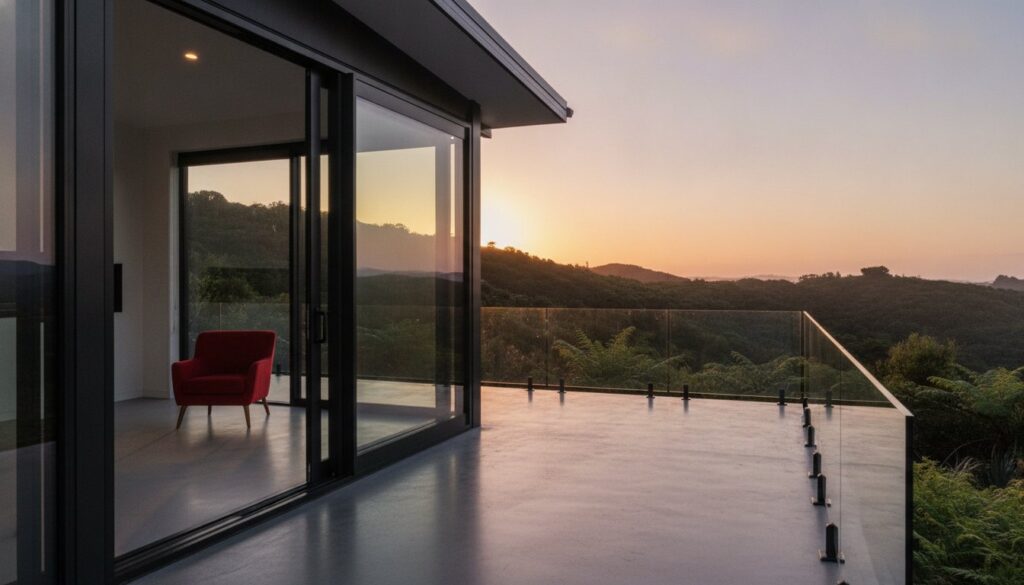
A home’s glazing is no longer just a window to the outside world; it is a sophisticated engineering feature that must satisfy rigorous New Zealand safety and thermal standards. Whether you are planning a grand architectural build or retrofitting a classic abode anywhere in New Zealand, the quality of your residential glass installation determines the ultimate safety and comfort of your living space. It is a specialised task that requires a blend of technical proficiency and aesthetic precision to get right.
At JK Glass & Aluminium, we understand that managing the 2023 updates to the H1 Building Code or the specific requirements of NZS 4223 can feel like a daunting hurdle. You deserve a home that feels light and expansive, and it shouldn’t come at the cost of durability or compliance. This guide is designed to provide you with a clear roadmap for your glazing project, ensuring you gain the beautiful, high-performance results your investment deserves. We will walk through the essential stages of the residential glass installation process, from selecting high-performance Low-E glass to mastering the seamless finish of frameless balustrades that can withstand our unique weather conditions.
Key Takeaways
- Understand how bespoke internal glazing, such as frameless showers and custom mirrors, can elevate your home’s aesthetic while providing durable, moisture-resistant solutions.
- Navigate the complexities of the New Zealand Building Code to ensure your glass balustrades and fencing meet all mandatory safety and human impact standards.
- Discover how a comprehensive residential glass installation combines advanced fabrication with precision fitting to transform your home’s thermal performance and long-term value.
- Learn why the pairing of high-quality aluminium joinery and double glazing is essential for creating a comfortable, energy-efficient living environment that withstands the NZ climate.
- Gain a clear overview of the professional installation journey, ensuring your project moves smoothly from the initial design phase to a flawless, compliant finish.
Understanding Modern Residential Glass Installation
Modern residential glass installation has evolved far beyond the simple act of replacing a cracked pane. Today, it represents a comprehensive engineering service that encompasses the entire lifecycle of a project, from the initial architectural design and custom fabrication to the final precision fitting. This shift mirrors a broader trend in New Zealand construction, where glass is no longer just a functional barrier against the elements but a central structural and aesthetic element. Homeowners now view glazing as a way to define spaces, whether they are installing expansive window systems to capture coastal views or bespoke internal partitions to create a sense of flow.
Achieving a seamless finish requires a high level of proficiency and a deep understanding of how different materials interact. It is no longer enough to simply fit glass into a pre-existing hole. A professional specialist ensures the synergy between high-performance glass and aluminium joinery is perfect. This integration is critical for maintaining the structural integrity of the home while delivering the sleek, minimalist profiles that modern architecture demands. By managing both the frame and the glass, a specialist can guarantee that the final result is both beautiful and compliant with current safety standards.
The Scope of Professional Glazing Services
While some providers focus on basic repairs, a dedicated installation service handles complex, bespoke projects that require a visionary approach. Choosing a “supply and fit” service offers the best long-term value because it ensures continuity of quality from the workshop to the site. This approach involves a wide range of materials, including Architectural glass, toughened safety panels, and architectural-grade aluminium. These components are selected not just for their appearance, but for their ability to meet specific safety protocols and engineering requirements that protect your family.
Why Quality Glass Matters for NZ Homes
In the unique New Zealand climate, the quality of your residential glass installation directly impacts your daily comfort and energy costs. High-performance glass helps regulate internal temperatures, keeping homes warmer in winter and cooler in summer. This is particularly important following recent updates to national building regulations, which mandate higher thermal efficiency for all new residential projects. Beyond energy savings, bespoke glass solutions allow for creative floor plans that maximise natural light in even the most challenging sites. Whether you are dealing with a steep hillside section or a compact urban lot, custom glazing provides the flexibility to create a home that feels open, safe, and enduring.
Bespoke Internal Glass: Showers, Mirrors, and Splashbacks
Bespoke internal glass is a defining feature of the modern Kiwi home, offering a level of sophistication that standard, off-the-shelf products simply cannot match. When you invest in a professional residential glass installation for your interior, you are choosing precision over compromise. This is especially true in areas like bathrooms and kitchens, where the tolerances for error are incredibly small and the environmental demands are high. From the sleek lines of a frameless shower to the reflective depth of a custom-cut mirror, these elements work together to create a sense of light and space that feels both intentional and enduring.
Frameless Glass Showers and Enclosures
The trend toward frameless glass showers has transformed bathroom design from purely functional to spa-like and restorative. These systems rely on high-quality hardware, such as solid brass hinges and minimalist recessed channels, to support heavy panes of toughened safety glass without the need for bulky metal frames. Safety is paramount in these wet areas. Every pane must adhere to the New Zealand Building Code for glass safety, ensuring that the glass can withstand human impact and temperature fluctuations. Depending on your privacy needs, you can choose between crystal-clear glass to showcase premium tiling, or frosted and tinted options that add a layer of seclusion while still allowing light to permeate the space.
Custom Mirrors and Kitchen Splashbacks
In smaller residential layouts, the clever use of glass bathroom mirrors can double the perceived footprint of a room. A custom-fitted mirror, cut to the exact dimensions of a wall or vanity, eliminates the visual clutter of frames and creates a seamless, expansive feel. Similarly, kitchen splashbacks provide a contemporary alternative to traditional tiles. These are custom-coloured to match your interior palette and undergo a rigorous toughening process to ensure they remain heat-resistant and durable behind cooktops.
The longevity of these internal glass features depends heavily on the proficiency of the fitting. For example, mirrors require a professional application of specialized, non-corrosive adhesives. Incorrect installation can lead to “silvering” damage, where moisture or chemicals eat away at the reflective backing over time. By focusing on these technical details, a specialist glazier ensures that your investment remains as pristine as the day it was installed. If you are ready to elevate your interior design, our team can help you explore bespoke glazing options tailored to your specific home layout.
Safety and Compliance: Glass Balustrades and Fencing
Safety is the primary driver behind any external residential glass installation, especially when dealing with changes in floor level or swimming pool boundaries. In New Zealand, the regulations are strict to ensure that glass structures act as reliable barriers against falls while withstanding our high wind loads and seismic activity. Whether you are installing a balcony barrier or a pool surround, the choice between framed, semi-frameless, and fully frameless systems will depend on your architectural vision and the specific safety requirements of your site. Each system offers a different balance of visibility and structural support, but all must meet the same rigorous engineering standards.
Fully frameless systems offer the most unobstructed views, utilising thick, structural glass panels that are anchored into a base channel or fixed with specialised stand-off pins. Semi-frameless systems typically use vertical posts for support, while framed systems provide a traditional look with metal surrounds. Handrails play a dual role in these setups; they are often a legal requirement to provide a secondary support line should a glass panel fail, but they also serve as a tactile design element that defines the edge of a deck or staircase. Getting this balance right requires a glazier who understands the subtle interplay between aesthetics and the law.
NZ Building Code and Balustrade Safety
Compliance with the New Zealand Building Code is mandatory for any glass balustrade that protects a fall of one metre or more. To ensure your project meets these standards, you should follow a rigorous checklist:
- Verify that the glass is permanently marked with the appropriate safety standards.
- Ensure the barrier height meets the minimum 1000mm requirement for residential decks or 900mm for stairs.
- Confirm that no gap in the system allows a 100mm sphere to pass through.
- Check that the structural fixings are engineered for the specific substrate of your home.
Professional installation is non-negotiable for these high-level projects. Structural glass panels must undergo specific testing to ensure they can handle both point loads and distributed pressure without compromising the safety of the occupants.
Glass Pool Fencing and Gates
Pool safety is governed by Clause F9 of the Building Code, which mandates that all residential pools must be enclosed by a compliant barrier. Frameless glass is the preferred choice for many Kiwi homeowners because it maintains clear visibility into the pool area, which is a critical safety feature for supervising children. These systems must include self-closing and self-latching gates that open away from the pool to prevent accidental access. Because many New Zealand homes are located in coastal environments, the durability of hardware is essential. We recommend using powder-coated aluminium joinery or 316-grade stainless steel to prevent corrosion from salt spray. As active members of the Window & Glass Association of New Zealand, we stay updated on every regulatory shift to ensure your fencing is as durable as it is beautiful.
Exterior Performance: Aluminium Joinery and Windows
The performance of your home’s exterior depends on the perfect synergy between the glazing and the frame. A high-quality residential glass installation is only as effective as the joinery that supports it. In New Zealand, where homes must endure everything from coastal salt spray to intense UV levels, the structural integrity of this combination is vital. High-performance windows and doors provide more than just a view; they act as a thermal and acoustic shield that enhances your daily living experience. This protects your investment.
Modern architectural trends favour large format glazing, such as lift and slide systems or expansive bifold doors. These installations are designed to create a seamless indoor-outdoor flow, effectively removing the barrier between your living room and the deck. However, these large glass spans require expert engineering to ensure they remain weatherproof and easy to operate over decades of use. Precision in the fitting process ensures that even the largest doors glide effortlessly and lock securely, maintaining both safety and comfort.
The Role of Aluminium Joinery in Glass Installation
Aluminium has become the industry standard for New Zealand residential frames due to its exceptional durability and low maintenance requirements. Whether you are aiming for a bold architectural statement with charcoal black profiles or a subtle look with neutral tones, aluminium joinery offers the versatility needed for modern designs. Powder-coated finishes allow for extensive colour customisation, ensuring your frames match your interior decor and exterior cladding perfectly. This is a practical choice for our climate.
For many homeowners, the focus is on retrofitting new, high-performance glass into existing aluminium frames. This process requires a precise understanding of the original joinery’s tolerances. By upgrading the glass while retaining the structural frames, you can achieve a significant boost in performance without the upheaval of a full replacement. This methodical approach ensures that every seal is airtight and every hinge is perfectly aligned to withstand local weather conditions.
Maximising Energy Efficiency with Glazing
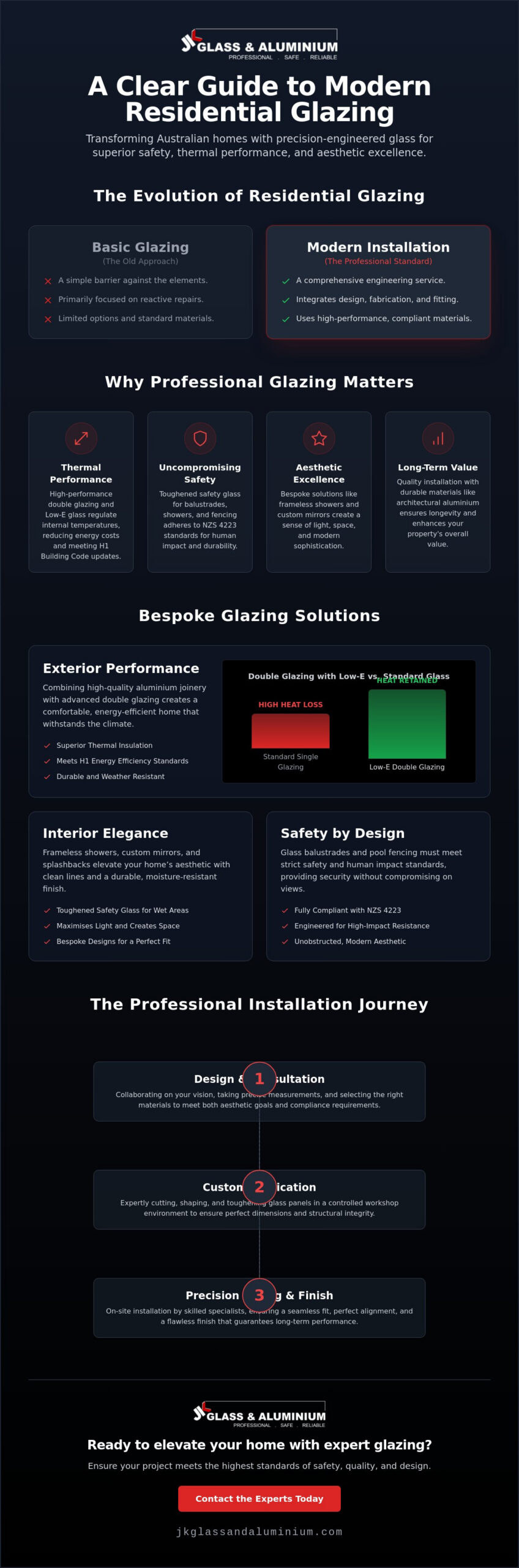
The transition to high-performance double glazing is one of the most effective ways to improve a home’s thermal efficiency. Following the 2023 updates to the H1 Building Code, higher R-values are now mandatory for most new builds. By using Low-E glass coatings, which feature a microscopic layer designed to reflect heat back into the room, you can retain warmth during the colder months and reduce solar gain in the summer. This technology works best when paired with professional fitting that eliminates drafts and ensures a comprehensive seal around the entire unit.
Beyond thermal comfort, quality exterior glass significantly reduces acoustic pollution, creating a quieter and more peaceful indoor environment. The long-term cost savings of these high-performance solutions are substantial, as they reduce the reliance on artificial heating and cooling systems. Investing in the right combination of glass and joinery is a visionary yet practical decision. If you are planning an upgrade, you can request a quote for premium aluminium joinery and glazing to ensure your home is ready for the seasons ahead.
The Professional Installation Process: Design to Fitting
A successful residential glass installation is a disciplined engineering task that requires a steady, methodical approach to ensure long-term stability. It is not merely about the final fit; it is about the rigorous planning and visionary design that precedes it. Whether you are installing a single bespoke mirror or a comprehensive suite of aluminium joinery, the process must be deliberate and transparent. Working with a family-owned, national specialist provides the peace of mind that your project is backed by a legacy of quality and a commitment to New Zealand standards. This professional oversight ensures that every technical hurdle is managed before the glass even arrives at your property.
The logistics of handling large, structural glass panels require specific expertise and specialised equipment. Moving heavy toughened glass for balustrades or expansive sliding doors involves significant risk if not managed by a proficient team. A national provider has the resources to manage these complexities, ensuring that materials are transported safely and handled with precision on-site. This level of care protects your investment and ensures the final finish is flawless, without the chips or alignment issues that often plague less experienced installers.
Step-by-Step: Your Glazing Project Journey
Every project follows a logical progression to ensure a perfect result:
- Initial Consultation: Qualified tradesmen conduct a thorough site measurement, as even a few millimetres of variance can compromise a frameless installation.
- Precision Fabrication: Your glass and aluminium components are custom-manufactured in a controlled environment to meet exact specifications.
- On-Site Installation: The final fitting includes rigorous safety testing and a comprehensive clean-up, leaving your home ready to enjoy immediately.
This structured journey ensures that the transition from a technical drawing to a physical installation is seamless and stress-free for the homeowner.
Why Project Management Matters
Effective project management is what separates a standard renovation from a high-end architectural finish. This includes the coordination of specialised equipment, such as boom lifts or cranes, for sites with difficult access or multi-storey requirements. Professional management significantly reduces the risk of on-site delays or breakages, as every stage of the manpower and equipment requirements is paced and planned in advance. By identifying potential obstacles early, a dedicated project manager maintains a sense of professional calm throughout the build.
Choosing a partner who manages the entire lifecycle of the project, from design to the final seal, ensures that accountability is never fragmented. This thoroughness is essential for maintaining the safety protocols required by the New Zealand Building Code. Ready to transform your home? Contact the experts at JK Glass & Aluminium today to discuss your bespoke glazing needs.
Transforming Your Vision into a Compliant Reality
Investing in a high-quality residential glass installation is more than a home improvement; it’s a commitment to the long-term safety, thermal performance, and aesthetic value of your property. Throughout this guide, we have explored how modern glazing solutions must balance ambitious architectural goals with the rigorous demands of the New Zealand Building Code. Whether you are installing bespoke internal mirrors or high-performance aluminium joinery, the success of your project relies on the perfect integration of precision fabrication and expert fitting. By choosing a partner who manages every detail from the initial site measurement to the final safety check, you ensure a finish that is as durable as it is beautiful.
As a family-owned and operated NZ business, we pride ourselves on being specialists in both glass and aluminium solutions. We provide comprehensive project management that takes the complexity out of your hands, allowing you to focus on the visionary goals for your home. Our team is here to guide you through every technical decision with proficiency and care, ensuring your investment remains a source of pride for years to come.
Get a Professional Quote for Your Residential Glass Project
Your home deserves the precision and expertise of a dedicated local partner. We look forward to helping you create a space that is light, safe, and built to withstand the unique New Zealand climate.
Frequently Asked Questions
Is glass pool fencing safe for families with young children in NZ?
Glass pool fencing is exceptionally safe for families provided it complies with Clause F9 of the Building Code. The clear panels allow for unobstructed visibility, which is a critical safety feature for supervising children from a distance. These systems must include self-closing gates and self-latching hardware that opens away from the water. When professionally installed, the toughened glass is designed to withstand significant impact, ensuring a secure and durable barrier around your swimming area.
How long does a typical residential glass installation take?
A typical residential glass installation varies based on the project’s scale, but most bespoke fittings take between two to four weeks from final measurement to completion. This timeline accounts for the precision fabrication and toughening process in the factory, followed by the methodical on-site installation. While a simple mirror might be fitted in a few hours, complex projects like full-house aluminium joinery or multi-panel balustrades require more extensive planning and coordination to ensure a seamless finish.
What is the difference between toughened and laminated safety glass?
Toughened glass is heat-treated to increase its strength and breaks into small, relatively harmless granules upon impact. In contrast, laminated glass consists of two glass layers bonded by a plastic interlayer that holds the shards in place if the pane breaks. Whether you choose toughened or laminated depends on the specific application; toughened is standard for showers and splashbacks, while laminated is often preferred for overhead glazing or areas requiring high security.
Can I install my own glass balustrade using a DIY kit?
Installing your own glass balustrade using a DIY kit is highly discouraged due to the strict safety and structural requirements of NZS 4223. Professional installation ensures that the barrier can withstand specific line loads and human impact, which is essential for both building code compliance and insurance validity. A specialist glazier provides the necessary documentation to prove the system is safe and fit for purpose, protecting your family and your property’s long-term value.
Do I need a building consent for a new glass shower installation?
You generally don’t need a building consent for a simple shower replacement, but a new installation or a significant change to the bathroom layout often requires one. If the work involves new plumbing or affects the building’s structural integrity, it must comply with the Building Act. It’s always best to consult with your local council or a qualified glazier to ensure your residential glass installation meets all legal obligations before the project begins.
How do I maintain my aluminium joinery and glass splashbacks?
Maintaining your aluminium joinery and glass splashbacks requires nothing more than regular cleaning with warm soapy water and a soft, non-abrasive cloth. It’s important to avoid harsh chemical cleaners or scouring pads, as these can scratch the glass surface or damage the powder-coated finish on the aluminium frames. For homes in coastal areas, rinsing the joinery every three months helps remove salt deposits and prevents long-term corrosion, ensuring the hardware remains functional and aesthetic.
What should I look for when hiring a residential glazier in New Zealand?
When hiring a glazier, you should look for professional membership in the Window & Glass Association of New Zealand and a proven track record in bespoke projects. A reputable specialist will be transparent about their compliance with safety standards and should provide a comprehensive project management plan. Choosing a family-owned business often ensures a higher level of personal accountability and a commitment to quality that helps manage the complexities of your specific home layout.